

COVID-19 Response
Tree of Life: HEALING THE HEALER in a Time of Dual Pandemics
The dual pandemics of Racism and Covid-19 have triply impacted Black health care providers who bear the stress of caregiving while they themselves suffer from racism, sexism and homophobia. In October 2020, the Braxton Institute was awarded a CARSS Rapid Response Grant for “Tree of Life: Black Faith Matters in a Time of Dual Pandemics” from the Center for African-American Religion, Sexual Politics, and Social Justice at Columbia University. Our project was one of sixteen recipients in this grant program made possible by the generous support of the Henry Luce Foundation.
The mission of The Braxton Institute centers helpers and healers with historically minoritized identities. “Tree of Life: Black Faith Matters in a Time of Dual Pandemics” enabled health care providers of color, racial justice activists, spiritual care givers and faith leaders to engage with one another to articulate emergent struggles, hopes, resources, and questions for Black Faith as a wellspring for their sustainability in this critical time. This process identified new critical questions and creative evolutions of Black Faith important for the fields of Africana Studies and Religion, with specific application to the work of clinicians of color and spiritual caregivers in the face of Covid-19 and the uprisings for Black Lives.
Our “Tree of Life: Black Faith Matters in a Time of Dual Pandemics” project was conducted in collaboration with colleagues from Colgate Rochester Divinity School, Eastern Virginia Medical School (EVMS) and trusted institutional partners including the William & Mary Africana Studies Program, The W&M Middle Passage Project and The Lemon Project: A Journey of Reconciliation. This project builds on the successes of the W&M-EVMS Narrative Medicine for Excellence Project, the W&M Middle Passage Project 1619 Health Equities Initiative, the “Tree of Life: Spirituality and Well-Being in the African American Experience” research conducted at the Library of Congress by the Project Director, and the Braxton Institute Dialogues on Resisting and Thriving. “Tree of Life: Black Faith Matters” achieved three goals through specific objectives:
GOAL ONE: Design and offer a program of online seminars and “Restorative Care Circles” for Black health care providers and spiritual caregivers in dialogue with each other.
GOAL TWO: To initiate related scholarly research and teaching on Black Faith, Spirituality and Health, bringing together the fields of Black Studies and the Study of Religion.
GOAL THREE: Make the outcomes and learnings from Tree of Life: Black Faith Matters available to a wider public by documentation and on-line publications. In process.
TIMELINE:
November-December 2020: Planned, Prepared and Recruited seminar participants.
January-March 2021: On-Line Seminars (Seminar #1: “God of Our Silent Tears”: Breaking Through Silence to Name our Suffering in a Time of Twin Pandemics; Seminar #2: Identifying the Sources of Our Spiritual Wellbeing in the Face of Trauma and Disruption; Seminar #3: Deepening Understanding of Our Diverse African American Identities and Spiritualities.)
April-June 2021: Circles of Care #1, 2, and 3; Collated emergent questions for Black Faith.
June-December 2021: Documentation and follow-up activities
View the IRB for Tree of Life: Black Faith Matters in a Time of Dual Pandemics.
For more details or an opportunity to participate in ongoing programs, please contact: jbraxton@braxtoninstitute.org or jmbrax@wm.edu
“As a womanist theoethical scholar and a faith leader, I am profoundly aware of the multiple, compounding intersectional impacts that Covid-19 has on our Black community. This project, centered on gathering wisdom from our Black leaders whose knowledge and expertise are routinely excised from decisions that impact real lives, represents a vital collaboration between Black faith and Africana studies, Black health and Black liberation.”

COVID-19 Unevenly ‘Culls’ Humanity
Written by Rev. Joanne Braxton. Published by Sojourners on June 2, 2020.
WHO HAS A RIGHT TO THE TREE OF LIFE? COVID-19 RESPONSE
For African American people, those whose ancestors were torn from their homes in Africa and enslaved in the Americas, the Tree of Life may have signified the sacred tree—created at the beginning of time---from which the seeds of all plants burst forth to make the whole world an abundant garden. The Serer peoples of West Africa told stories of the Tree, and held Trees to be sacred sites of divine presence. They made offerings to the Creator at the base of trees, and in the hollows of trees they buried their Griots—storytellers who remembered and retold generation after generation in music and in poetry the stories of their people. The ancestor’s stories were held in the heartwood of the Tree.
When it asked “Ain’t You Got a Right to the Tree of Life?” this spiritual comforted, inspired and spiritually empowered a people who had been uprooted, enslaved, and oppressed. The power of the song lifted a suffering and sorrowing people into the embrace of the transcendent source of mercy, justice and life. It echoes strains of the ancestral religions that crossed the Atlantic with the West African people and re-mixes those echoes with stories and archetypal images from Jewish and Christian tradition. The Tree of Life is planted at the center of the Garden of Paradise in the Genesis creation story, a sign of the abundance of life intended for all. In the book of Revelation, at the end of the Bible, the Tree of Life is restored to those who have endured great travail. Its leaves are for “the healing of the nations” and it grows on the banks of the River of Life that flows through the New Jerusalem. This spiritual reminds descendants and all within the hearing of the song that we are not separated from the Tree of Life but that we belong to it and it to us, by Divine right, by the Creator’s gift. In this time of dual pandemics – COVID 19 and Racism—the affirmation “You’ve Got a Right to the Tree of Life” invokes the transcendent source of life and healing, the birthright of all humanity and the promised gift for those who suffer, a testimony to the creative power of Black Faith.
Rebecca Ann Parker, the Braxton Institute
Read “Our Circles of Care: An Inside View” by Rehema Kutua, MD
TREE OF LIFE TEAM
TREE OF LIFE: BLACK FAITH MATTERS TEAM LEADERS

-
Dr. Joanne Braxton, PhD, M.Div. (she/hers), CEO and President of the Board of the Braxton Institute, is an ordained minister with full ministerial standing in the Eastern Virginia Association of the Southern Conference of the United Church of Christ. She is also Frances L. and Edwin L. Cummings Professor of the Humanities Emeritus at William & Mary (W&M) and Adjunct Professor of Family and Community Medicine at EVMS. Braxton is a poet, scholar, and author. At W&M, Dr. Braxton founded and directed the W&M Middle Passage Project and was instrumental in the formation of the programs in American Studies, Women’s Studies and Africana Studies. She has served as a pastoral and spiritual caregiver in clinical, congregational and movement settings. More recently, Dr. Braxton spent a year as David B. Larson Fellow in Spirituality and Health at the Library of Congress John W. Kluge Center with her project “Tree of Life: Spirituality and Health in the African American Experience.” She is a member of the Society for the Study of Black Religion, the Association of American Medical Colleges Fundamental Role FRAHME Initiative and a Fellow of the Hastings Center for Bioethics. Dr. Braxton curates and moderates the Braxton Institute Community Dialogues on Resisting and Thriving and facilitates workshops and trainings in contemplative practice, reflective writing and the cultivation of moral resiliency. Dr. Braxton is team leader for TREE OF LIFE: BLACK FAITH MATTERS IN A TIME OF DUAL PANDEMICS.

-
Richael Faithful, Esq., (they/them/theirs) is a multi-disciplinary folk healing artist and healing justice practitioner rooted in the African diasporic tradition of conjure. Faithful is healing culture facilitator and consultant, writer and essayist, performance artist, radical lawyer, among other roles. Faithful supports national and local activists of all backgrounds, particularly leaders of Black Liberation movements. They are known for creating spaces to help activist identify and process trauma and invest into healing justice frameworks. Their work has been featured in national publications, including in Colorlines, The Root, Everyday Feminism, HuffPost, among others. They also publish their own words in several books and law review articles. Faithful is former Shaman-in-Residence at Freed Bodyworks. Before formal shamanic initiation, Faithful was a healing-oriented community organizer and peoples’ lawyer. Faithful engages in racial equity and strategic planning work with DC Greens and, previously, with Justice in Aging. Currently, they are an instigator for the Diverse City Fund to support projects in communities of color in the District of Columbia. Richael is Educational Technologist and consultant at-large to the project and a teaching board member of the Braxton Institute for Sustainability, Resiliency and Joy. Faithful will co-lead one or more of the Circles of Care.

-
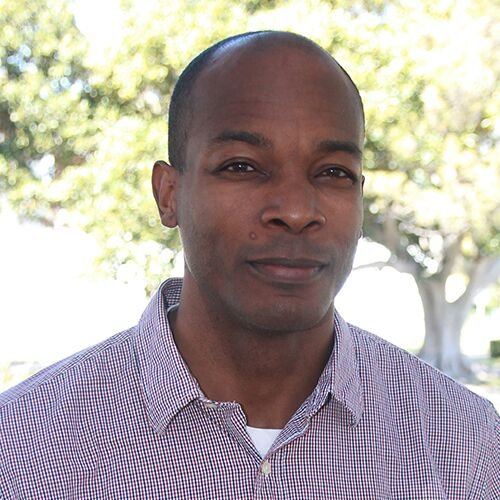
Mekbib Gemeda, MA, (he/his), Vice President of Diversity and Inclusion and Assistant Professor of Health Professions at Eastern Virginia Medical School (EVMS), is the President of National Association of Diversity Officers in Higher Education (NADOHE). Prior to joining EVMS, Gemeda served for eight years as the Assistant Dean for Diversity Affairs and Community Health and the founding Director of the Center for the Health of the African Diaspora at New York University School of Medicine. Also, he was involved in developing a robust NIH-supported biomedical research center and a nationally recognized faculty and graduate-student recruitment and retention program at Hunter College of the City University of New York. He is a member of the Board of the Virginia Center for Inclusive Communities and he is a current Ed.D. student at Northeastern University. Gemeda is consultant at-large for the project.
-
Dr. Nigel De Juan Hatton, PHD, MFA., (he/his), is An associate Professor of Literature and affiliate faculty in philosophy at the University of California, Merced. His is an author and scholar. In 2015, he received a grant from the University of California Consortium in Black Studies in California to complete a project titled, “African American Women and Ending Cultures of Homicide.” Throughout graduate school and during his faculty appointments, he has simultaneously taught courses in journalism, literature and writing in California State prisons through the Prison University Project (since 2003) at San Quentin State Prison, and the Prison Education Project (in 2014) at Central California Women’s Facility in Chowchilla, Calif. At UC Merced, he is also a co-organizer of the Human Rights Film Festival, a former steering committee member of the Humanities Center, sits on the Admissions subcommittee of the Undergraduate Council, and has served as an advisor to both the Black Student Union and the African Diaspora Graduate Group. Hatton is a teaching board member of The Braxton Institute for Sustainability, Resiliency and Joy. Dr. Hatton will co-lead one or more of the seminars.

-
Dr. Rehema Kutua, MD, FAAP received a B.A. in Psychology from Harvard and earned her M.D. from the Icahn School of Medicine at Mount Sinai in New York City. For 2 years before medical school, she taught high school chemistry, social psychology and A.P. Psychology in the Middle East, in Jordan. She completed her pediatrics residency in the Community Health Track at Children’s National Medical Center in Washington D.C. Since finishing residency Dr. Kutua has worked as a community pediatrician in Los Angeles and Washington D.C. where she now lives and works. She has been a part of the faculty of 3 medical schools and continues to be passionate about mentoring the next generation of health care providers. She has strong interests in global and public health and believes that high quality, empathic healthcare is a universal human right. In recent years, she has been learning how to cultivate resilience, mindfulness and promote true wellness in the populations she serves, and amongst her trainees and fellow providers. Dr. Kutua and Dr. Braxton met during Dr. Braxton’s term as consulting minister at All Souls Church Unitarian, Washington D.C. and have been working together in various capacities for about four years. Dr. Kutua is lead Wellness Consultant for the project.

-
Rev. Dr. Rebecca Ann Parker, D.Min. (she/hers), Secretary of the Board, educated a generation of ministers, scholars, artists and civic leaders during her 25-year stint as President and Professor of Theology at the Starr King School for the Ministry, the Unitarian Universalist and multi-religious theological school in Berkeley, California. Through her leadership, the historically white liberal School was transformed to become a multi-racial, counter-oppressive institution. Now emerita, she is a noted feminist theologian and author, a poet, a musician and a composer, and a life-long advocate for social change. A graduate of Claremont Theological School, she is the author (or co-author) of several books, including Saving Paradise: How Christianity Traded Love of This World for Crucifixion and Empire and Proverbs of Ashes: Violence, Redemptive Suffering and the Search for What Saves Us, both with Dr. Rita Nakashima Brock. Dr. Parker, a fourth generation United Methodist minister, holds ministerial standing in the Unitarian Universalist Association as well as the United Methodist Church where she has been a life-long advocate for LGBTQ full inclusion and racial justice. A founding board member, Dr. Parker has been the primary architect of the Braxton Institute programs on Recovery from Moral Injury and with it, our collaborations with the Soul Repair Center at Brite Divinity School and Volunteers of America, leading seminars for teaching faculty during the 2017 “Moral Injury and Collective Healing” advanced training seminar in Princeton, New Jersey and the 2019 national “Recovery from Moral Injury” training seminar in Los Angeles. She was a keynote speaker at our inaugural “Recovering Human Sustainability in a Time of War” program in Williamsburg, Virginia in 2014 and more recently led a stimulating Braxton Institute Community Dialogue on “Grounding Resistance in Love and Joy” in Washington, D.C. In 2019 she also co-presented an online Dialogue on “The Human Ecology of Racism” and in 2020, “Moving Through Spiritual Impasse to Counter White Supremacy” both with fellow board member Richael Faithful. Dr. Parker brings invaluable experience as Administrative Associate for the Tree of Life: Black Faith Matters in a Time of Dual Pandemics and Editor for the project final report.

-
Dr. Angela D. Sims, PhD, M.Div., (she/hers), is first the female President of Colgate Rochester Crozer Divinity School (CRCDS). She is an ordained Baptist clergywoman. Dr. Sims is an active member and contributor to several academic guilds and faith-based community organizations. Dr. Sims is a scholar and author. Prior to joining CRCDS, Dr. Sims served as Vice President of Institutional Advancement and Robert B. and Kathleen Rogers Professor in Church and Society at Saint Paul School of Theology in Leawood, KS. Dr. Sims’s research examines connections between faith, race, and violence with specific attention to historical and contemporary ethical implications of lynching and a culture of lynching in the United States. Principal investigator for an oral history project, “Remembering Lynching: Strategies of Resistance and Visions of Justice,” her research has been supported by the Ford Foundation, the Womanist Scholars Program at the Interdenominational Theological Center, the Louisville Institute, the Wabash Center for Teaching and Learning in Theology and Religion, and the Institute for Oral History at Baylor University. Dr. Sims will serve as consulting Womanist Ethicist to the project.