
The Reparations Series for America’s 250th Birthday
An Intervention
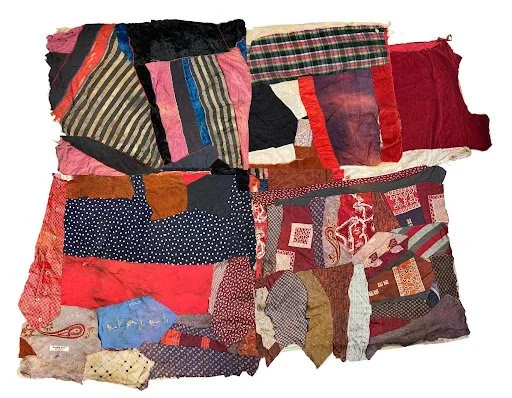
As the United States approaches its 250th birthday, the Braxton Institute’s programming reframes the national anniversary through the lens of reparative justice, memory, and the enduring resilience of Black communities. Under the theme “Unfinished Quilt: Unfinished Story,” these events invite all Americans to reflect not only on the nation’s founding ideals, but also on the histories of displacement, labor, cultural survival, and necessary repair for communities of African descent that remain central to the American story.
The “Unfinished Quilt” started by Emma Margaret Harrison, whose father was enslaved at Montpelier—was lost when the historic Black community of Lakeland, Maryland, (now part of the City of College Park) was dispersed by Urban Renewal in the 1970s and 1980s. The quilt, lost for nearly 50 years, was rediscovered only recently. Each piece of fabric, a bit of a necktie or someone’s dress, the muslin backing, bears a story; together these pieces embody the struggle to stitch torn fragments of story and make meaningful repair. The quilt, which is being shown at both the “Lakeland: Reclaiming Our Space” exhibit at the College Park Aviation Museum and the “African Odyssey” exhibit at Montpelier, connects the stories of Africans in the diaspora through many forced migrations, beginning with the Middle Passage. It is its own call to action, witnessing destruction and devastation, testifying to persistence and resilience, and calling out for justice and repair.
The Braxton Institute’s 250th anniversary programming brings Maryland Black history, descendant communities, and cultural memory to larger national and even international conversations about reparations, historical accountability, and America’s unfinished democratic promise. Through exhibitions, public history engagement, and performance, the Institute has collaborated with the Lakeland Community Heritage Project and other partners to create spaces for education, reflection, and dialogue centered on the experiences of Black communities in Prince George’s County and across the African diaspora. Together, these events position America’s 250th anniversary as an opportunity to examine critically the nation’s history while uplifting stories of descendant communities’ resilience, cultural preservation, and the ongoing struggle for repair and justice. Stay tuned for further updates and announcements.
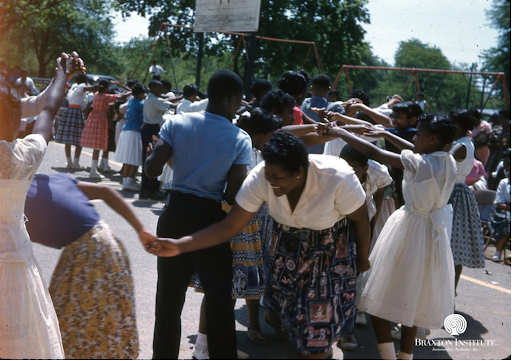
1950’s May Day Celebration in Lakeland, Photograph: Harry M. Braxton, Jr.
May 15, 2026 Opening and Exhibit Launch: Reclaiming Our Space: The Story of Lakeland
Hosted in partnership with Prince George’s County Parks and Recreation and the Lakeland Community Heritage Project, this event celebrates the opening of this historic exhibit and centers the story of Lakeland from its founding in the 1890’s, through the era of Jim Crow and segregation and the ordeal of Urban Renewal to tell the story of Lakeland, the beloved community. It also informs the public about the work of the College Park Restorative Justice Commission, the process of documenting harm, and the initial phases of the implementation of a program of repair.
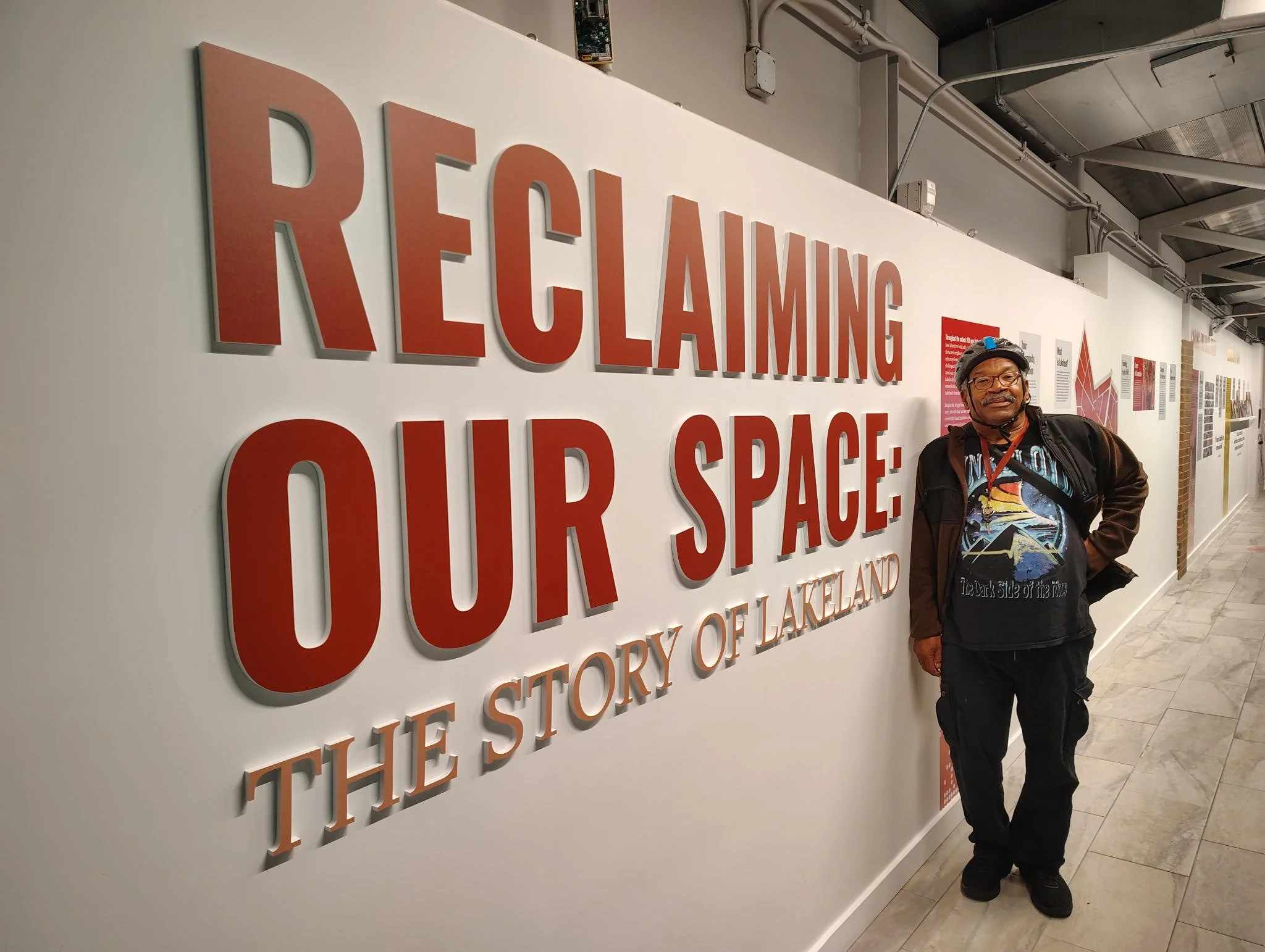
Exhibition: May 15, 2026-May 15, 2027. For more information, contact College Park Aviation Museum. 1985 Corporal Frank Scott, Drive, College Park, Maryland, 20740. (301) 864-6029.
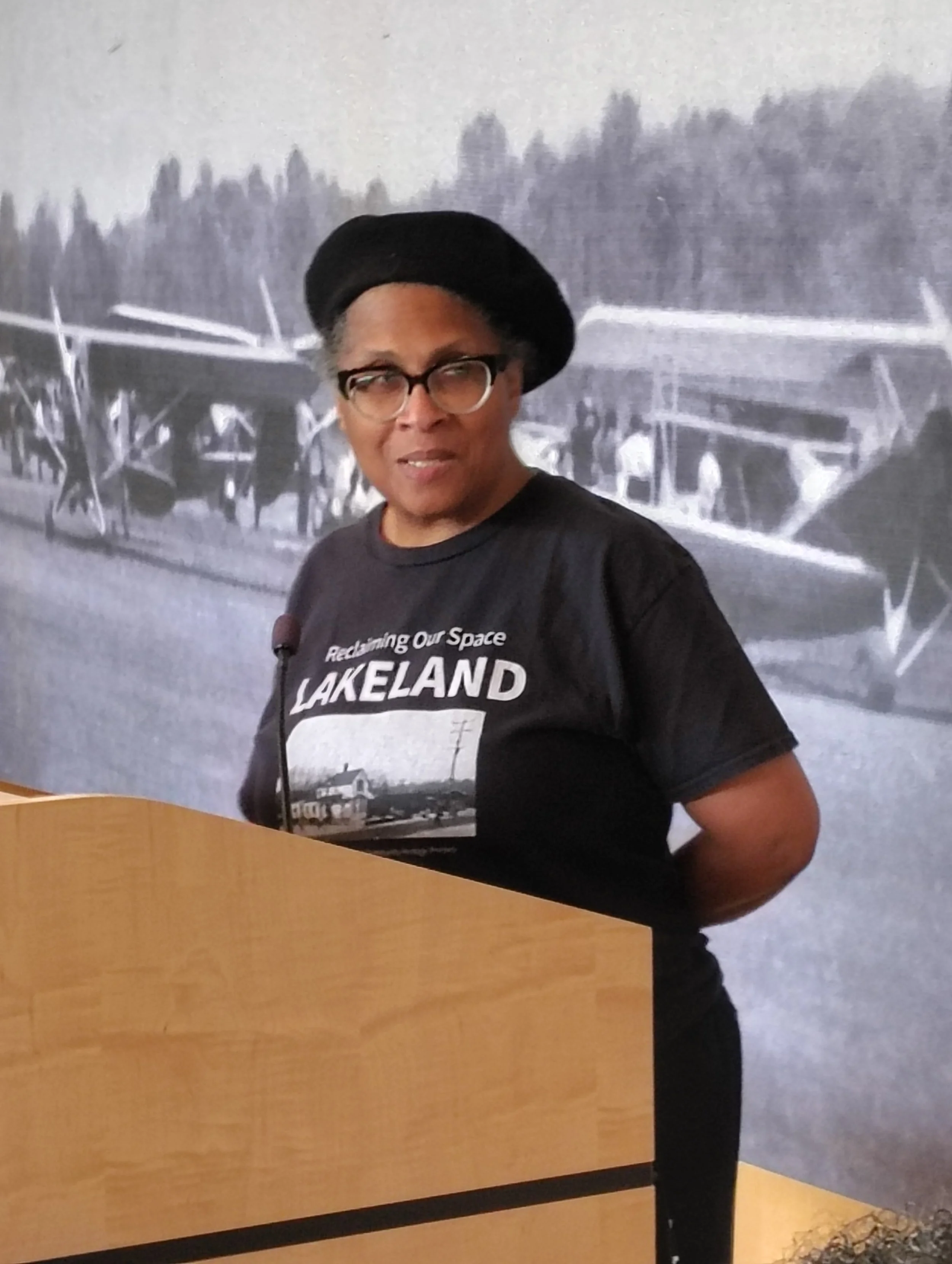
Maxine Gross, President, Lakeland Community Heritage Project, speaking at Exhibition opening.

May 18, 2026 Second Convening of Black-Eyed Susans for Reparations: A Braxton Institute Dialogue on Resisting & Thriving
A day of relationship-building, strategic coordination, and collective visioning as Maryland embarks on committed pathways towards reparations. Our first convening affirmed that there is a deep commitment across the state of Maryland to move reparations from concept to coordinated action. As we seek to end cycles of violence and bring our stories from the margins to the center to create the healing archive, we are carrying on the work of repair that our elders began before us. Invitation only.
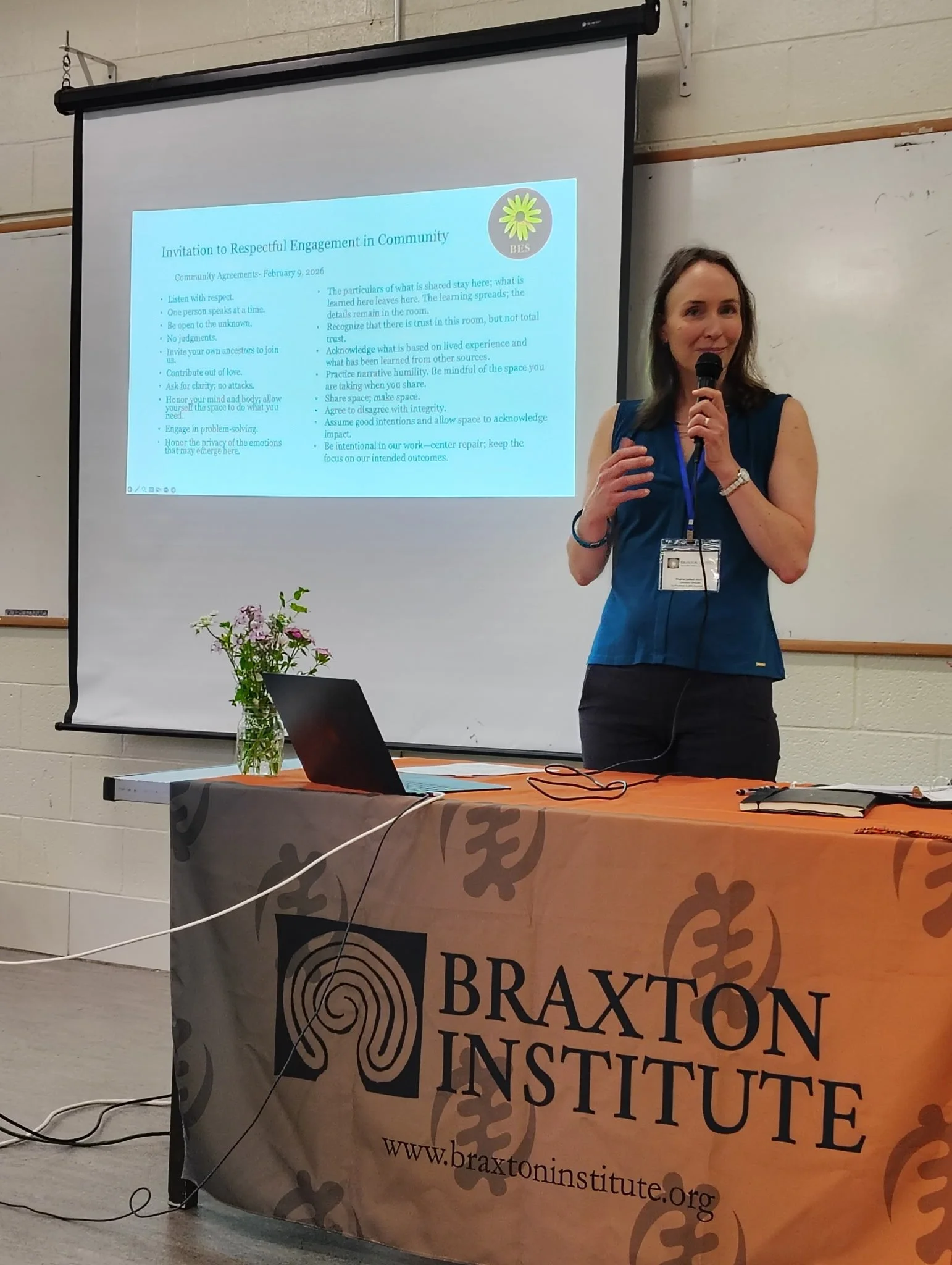
Virginie Ladisch, Liberation Ventures, Co-Facilitator with Dr. Joanne Braxton
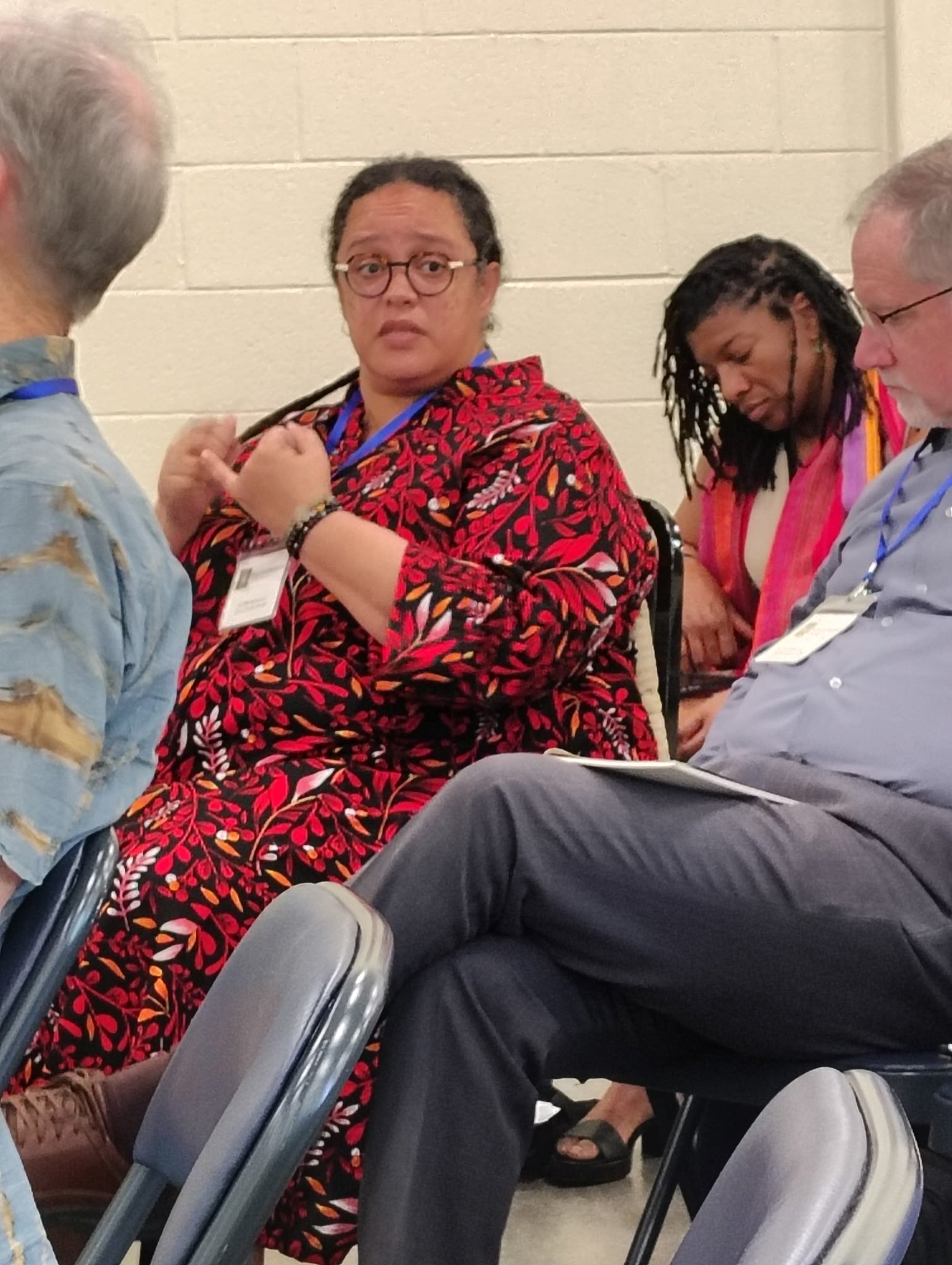
Rev. Dr. Sofia Betancourt, Constance Paige Young, Honeycomb Impact, and Dr. Mark Schindler, Georgetown University
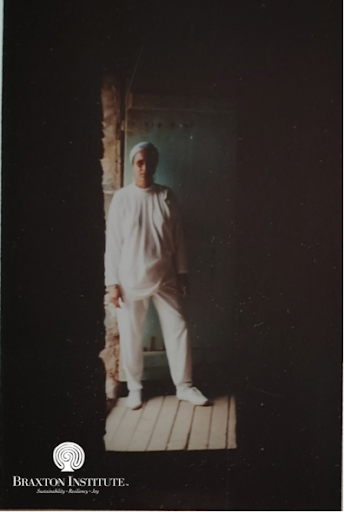
“African Odyssey”, The Door of No Return, Goree Island, Senegal
Thursday, June 11, 2026 - Sunday, November 1, 2026
The African Odyssey Exhibition at Montpelier Historic Site & Museum, featuring “The Unfinished Quilt.”
Reception and Artist’s Talk June 27th, 2026
This documentary photographic exhibition interrogates sites of memory in West Africa that were central to the inhumane trafficking of Africans to America. It further explores African identity, memory, enslavement and the meaning of repair through visual storytelling and historical reflection. As a descendant of African people enslaved at Montpelier, the photographer hopes that you will see and feel some of what she saw and felt as she journeyed to discover the meaning of the words of her grandmother, Emma Harrison, “My father always said that we have a home over there.”
https://www.pgparks.com/event_list/the-african-odyssey-exhibition
Tuesday, June 23, 2026 Scholars tour
“Reclaiming Our Space: The Story of Lakeland” and “The African Odyssey Exhibition.” Join scholars from the Library of Congress as they tour two African American sites of memory to explore the role of research and repair in contributing to the unfolding meaning of our nation’s story. Limited availability. Reach out to info@braxtoninstitute.org by June 10.
Saturday, June 27, 2026 AFrican Odyssey Exhibition Reception
The African Odyssey Reception and Black-Eyed Susans for Reparations Dialogue on Resisting and Thriving with Dr. Braxton and special guests at Montpelier. 3-6 pm.
Sunday, June 28, 2026 Lifting the Lakeland legacy: Celebrating Resilience and Repair
Community gathering co-created with Lakeland Community Heritage Project, Lakeland Civic Association, First Baptist Church of College Park, and Embry AME Church. Lakeland College Park Community Center. Invitation only.
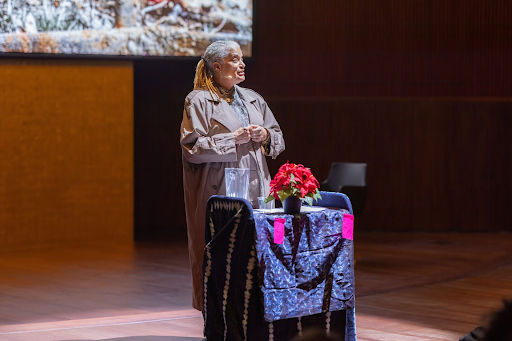
March 2027, Mélisande Short-Colomb, “Here I Am” Date TBA
Author Mélisande Short-Colomb will screen a recording of her widely acclaimed one-woman performance piece that tells the story of her ancestors sold from Maryland to Louisiana by the Jesuits in 1838. Originally created in collaboration with the Georgetown University Laboratory for Global Performance and Politics. “The show is uniquely imagined... One could hardly find a more natural or compelling storyteller than Méli Short-Colomb. Her voice is a truly splendid instrument.”

“If we move with the assurance that reparations can be realized in our time, we can live into that reality. In 2026, the work of repair also means repairing false narratives of our nation’s story as it continues to unfold. We in this movement contribute powerfully to that unfolding meaning— witnessing, documenting, intervening, interrupting cycles of harm, making repair.”
Contact: info@braxtoninstitute.org